The 14-year billboard: why a pet tag beats a banner ad
Pet AWOL
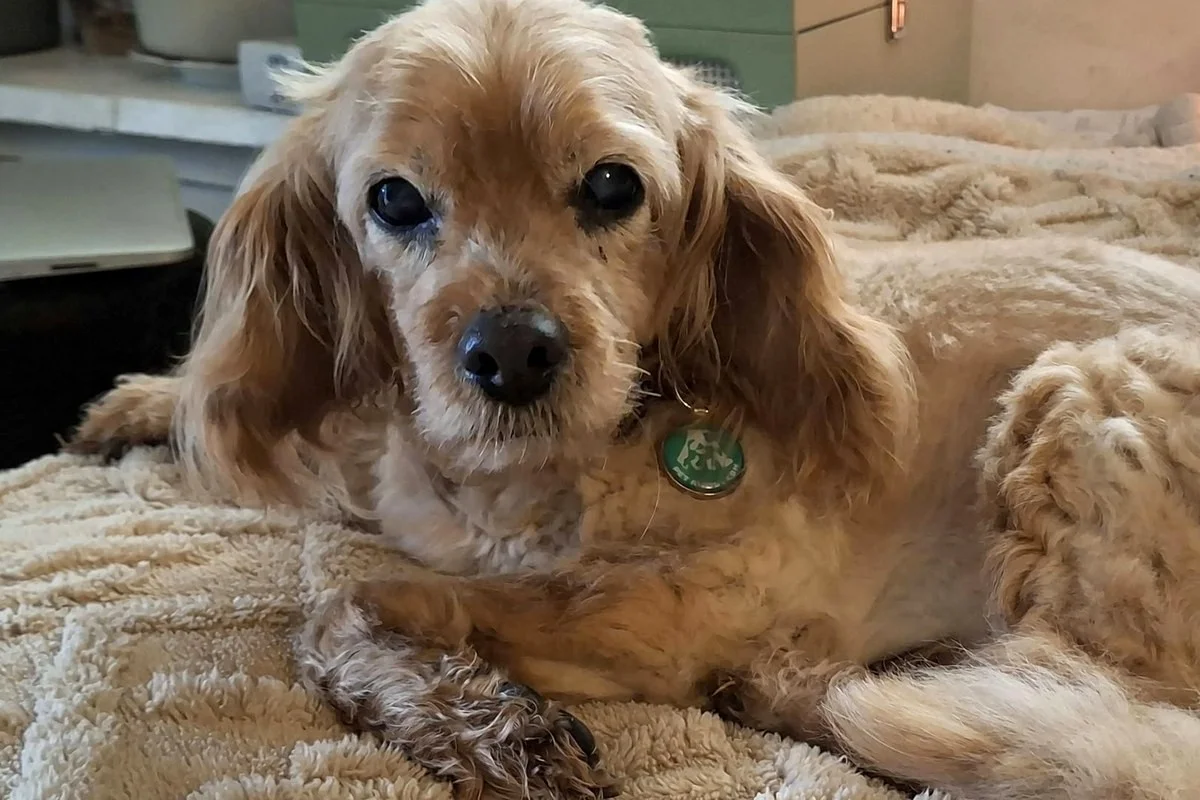
Picture a Saturday morning in a Sydney suburb. A kelpie squeezes under the side gate while the family's at sport. Twenty minutes later a stranger has him by the collar, phone out, scanning his tag. The owner's phone rings. He's home before lunch.
Now flip that tag over. That's where your logo sits.
The stranger saw it. The owner sees it every time they clip the lead on. So do the kids on the evening walk, the vet nurse, the groomer and the bloke at the dog park who asks where they got the tag.
A banner ad lasts as long as the budget
You know how paid media works. A display campaign runs for a few weeks. A social ad gets a second of attention before the thumb keeps scrolling. When the money stops, the impressions stop, and next quarter you start again from zero.
A Pet AWOL tag lasts 10–14 years. That's roughly the life of the pet wearing it. There's no ad blocker, no frequency cap and no renewal invoice.
Want to compare cost per impression? Take the cost of a tag sponsorship and spread it across a decade. Then count how often that tag gets seen: at home, on two walks a day, at the vet, at the park, every time someone gives the dog a pat. Put that next to the numbers from your last display campaign.
Why people keep a tag and lose the pen
Branded merchandise only works if people hang on to it. APPA research¹ found around 86% of consumers say usefulness is the main reason they keep and use a promotional item.
Few items are more useful to a pet owner than the tag that gets their dog home.
Pens go missing. Mugs chip and get pushed to the back of the cupboard. Tote bags pile up under the sink. A tag stays on the collar every day for the life of the pet, and it has a job the pen never had. When it's needed, it's the most important thing that pet is wearing.
People remember the brand on it, too. The same APPA study found 81% of recipients can name the brand on a promotional product they've been given. APPA says that beats average recall for digital and print advertising.²
Owners keep it on because it looks after them too
We ran a pilot with a rescue group on the Central Coast, and the owners told us what they liked.
- Privacy. The tag shows a masked number, so the owner's own number stays hidden. One owner had never wanted her number engraved on a standard tag, for privacy and safety reasons, including not wanting an ex to get hold of it.
- Any phone, no app. Whoever finds the pet just scans and calls. Nothing to download.
- Easy set-up. Owners found activation and set-up simple.
- A second contact. Owners can add a pet sitter or their vet.
- Their call on location. Location sharing is optional, so the owner stays in control.
Each of those is a reason the tag stays on the collar. The longer it stays on, the longer your logo stays in front of the owner.
You reach people at the start of a decade of spending
More than 60% of Australian households own a pet. The people adopting from shelters and rescues have just made a big decision about an animal they'll care for over many years.
In the weeks after adoption day they're buying food, insurance, vet visits, a bed and a lead. If you're a pet insurer, a pet food brand, a vet group or a pet retailer, that's the moment you want to be in the room. Your logo arrives with the pet.
Local businesses get something out of this too. A real estate agency or a local tradie with their name on shelter tags around the suburb is backing something the neighbourhood cares about.
How sponsorship works
You sponsor a batch of tags. Your logo goes on one side. We donate the tags to Australian shelters and rescue organisations, and they go home on the collars of newly adopted pets.
The pets go home safer, and your brand goes home with them. Sponsorship may be tax deductible – check with your accountant.
If you'd like to see the tags, or work through the numbers for your brand, get in touch with Karen Askew at Hello@petawol.com or on 0451 394 027. We're happy to do it over a coffee.
¹ Australasian Promotional Products Association (APPA), APPA Recipient Study 2025/26, survey of 399 recipients across Australia and New Zealand. Reported in 77% Purchase Intent: The Conversion Case for Intentional Branded Merchandise.
² APPA, Fast Facts: The Power of Branded Merchandise, APPA Recipient Study 2025/26.